The Mint star
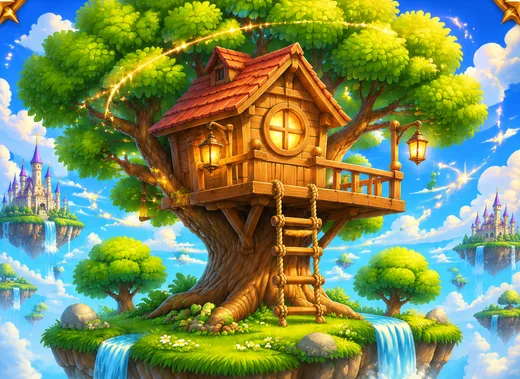
Pick a character card and mint it. Now it is an NFT: yours, and everyone can see it.
What it teachesOwning something digital means it is written down where everybody can check.
Mint a dragon. Build a bakery. Trade with a robot. Collect three stars and you win.
The goal
Every star comes from a small quest. Each quest is one real thing people do on Ethereum, turned into something a child can hold.
Pick a character card and mint it. Now it is an NFT: yours, and everyone can see it.
What it teachesOwning something digital means it is written down where everybody can check.
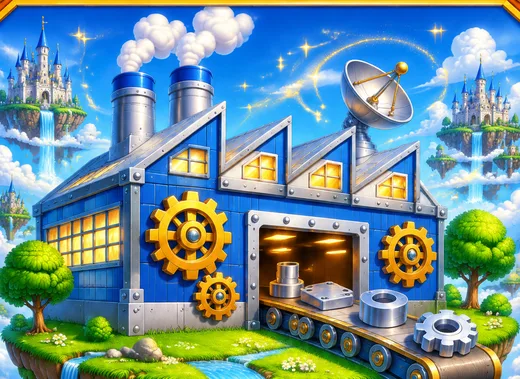
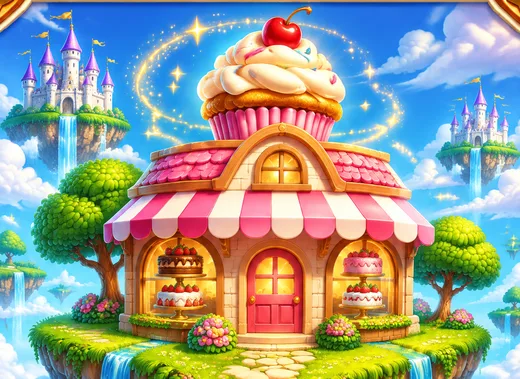
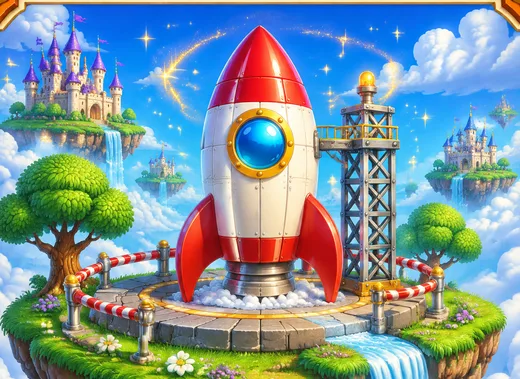
Build a bakery or a rocket pad. When friends use your App, they pay you a coin.
What it teachesAn App is a small program anyone can use, and its builder earns the fees.
Sell an NFT to a friend or buy one of theirs. Both sides have to say yes.
What it teachesOnly the owner can move what they own, and every move costs a little gas.
How it works
Gemmy the gem says what to do in one short sentence and reads it aloud. A gold badge marks the move that helps the quest, so nobody gets lost.
A coin from the Bank, or a new card for your hand.
Mint a card, build an App, use an App, or trade.
What you send waits on the chain. The next player is the checker and taps the big green stamp. That is the blockchain: friends check each other's moves.
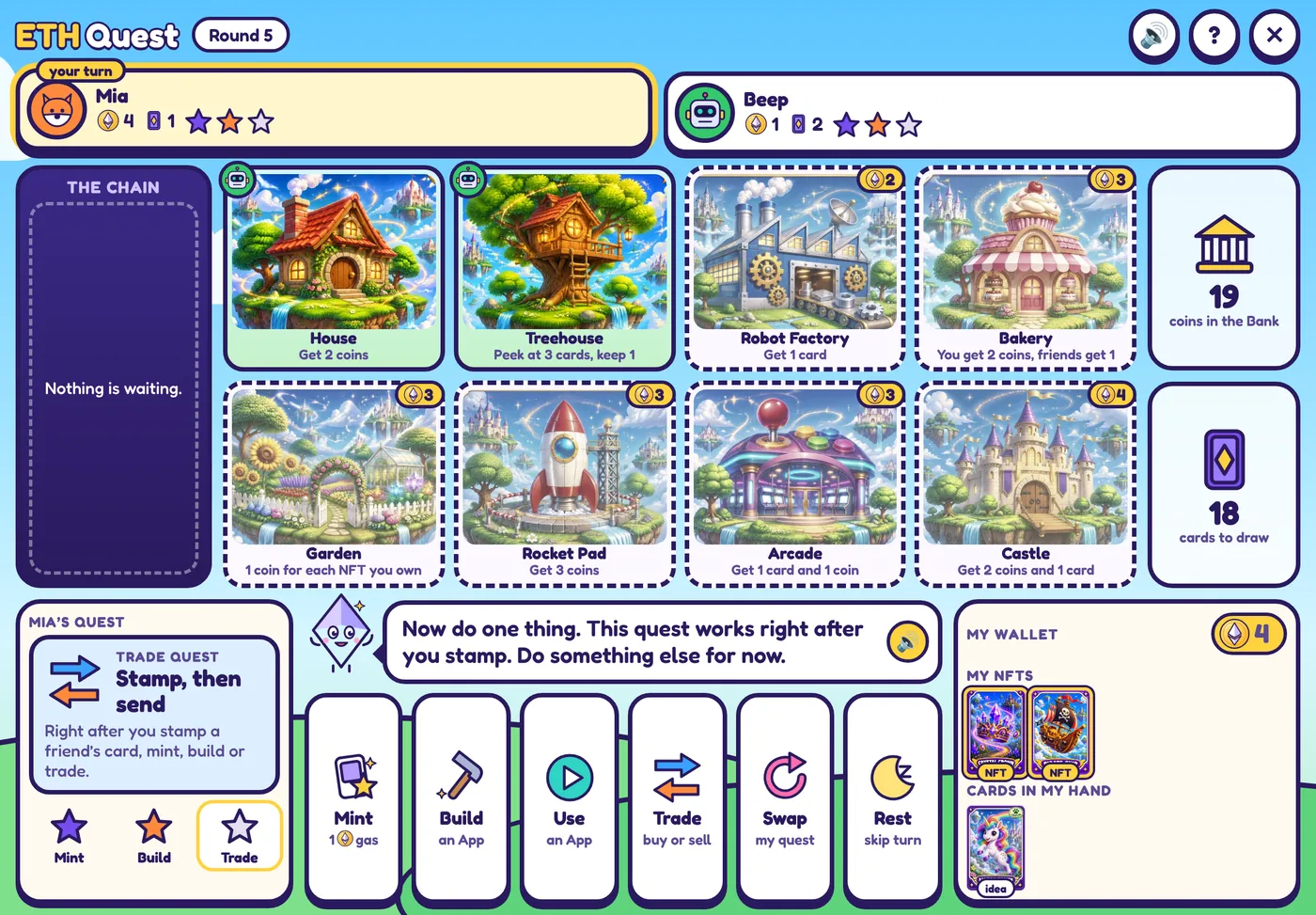
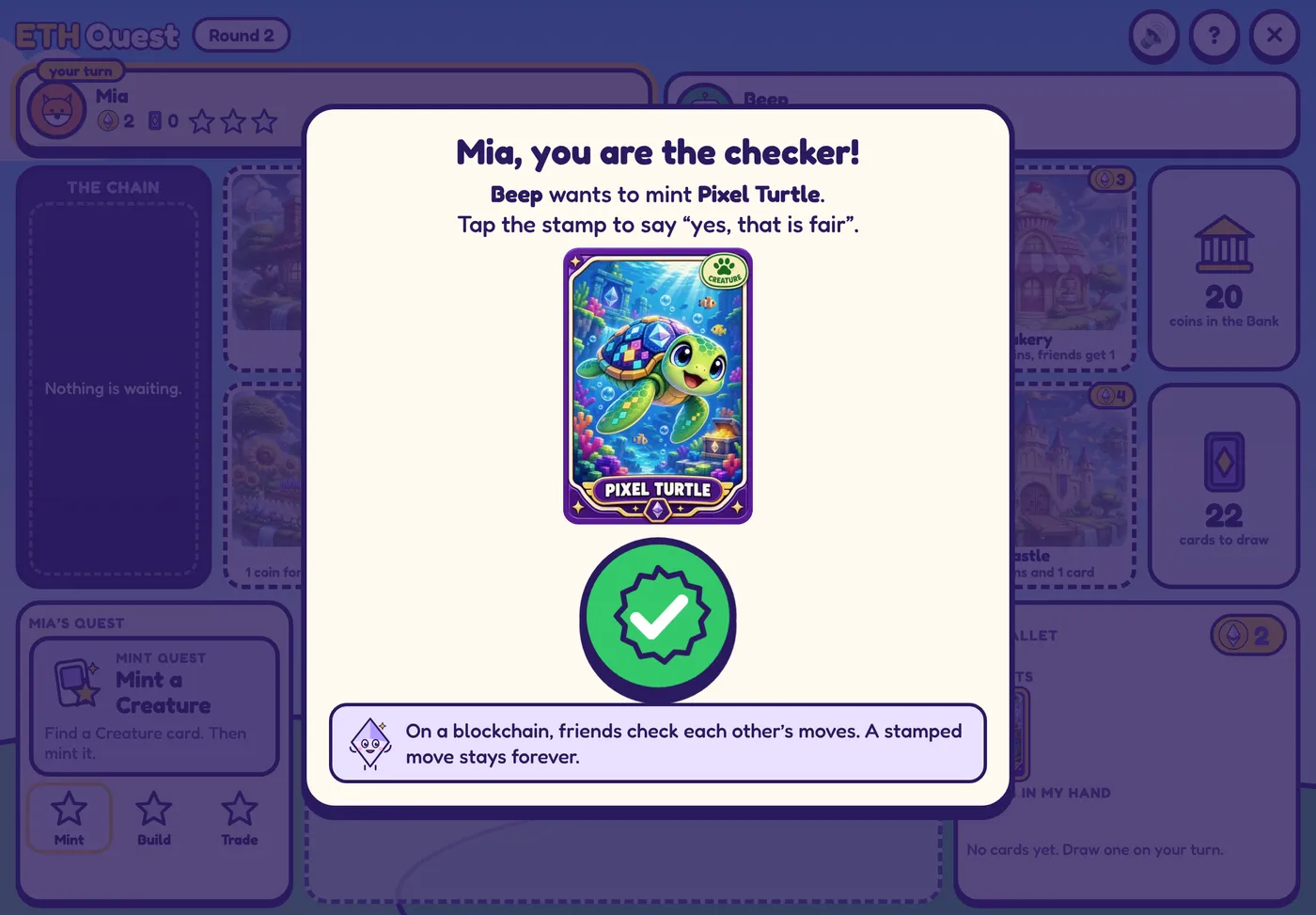
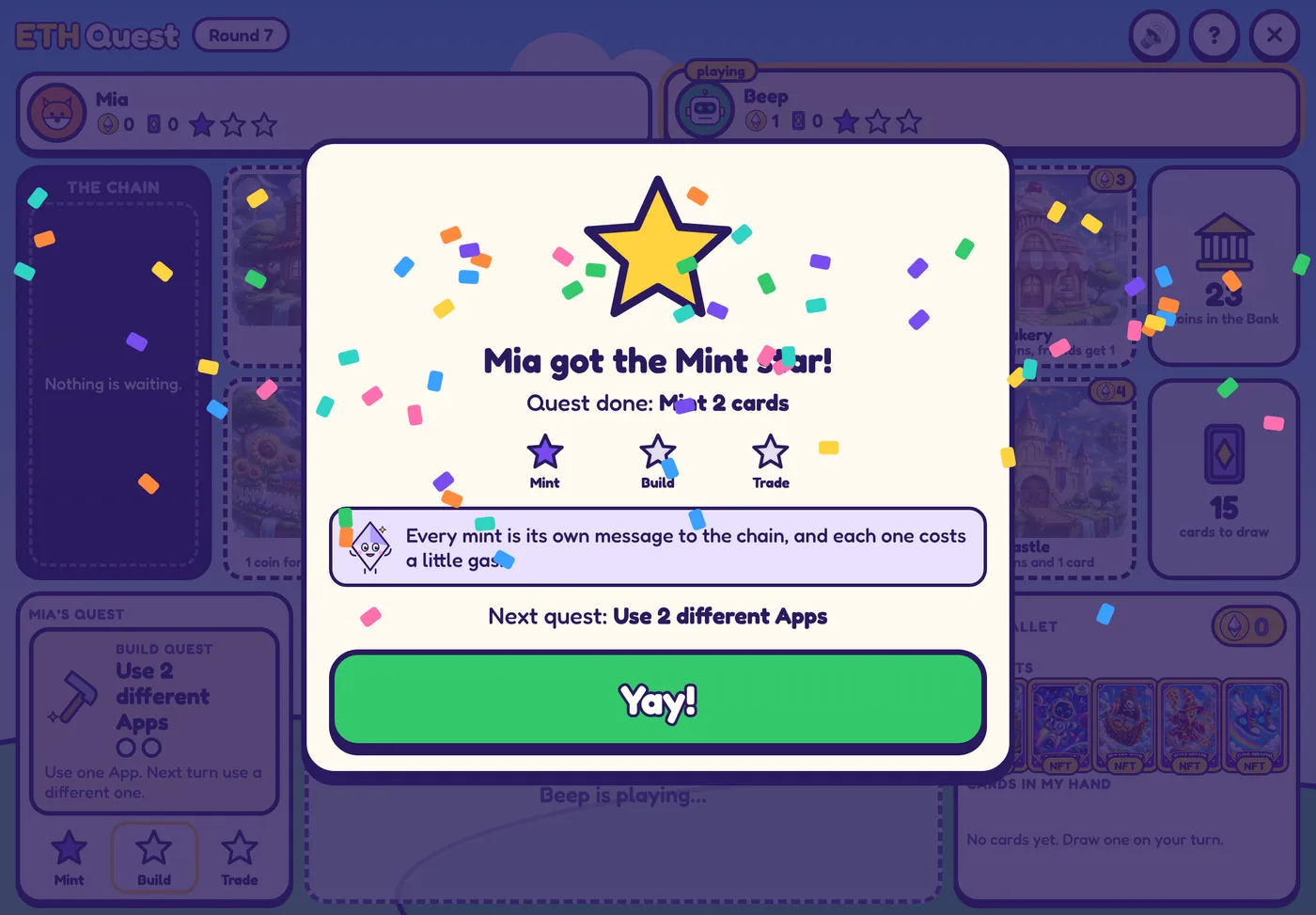
The cards
Creatures, robots, magic things and rides, all painted for the game. Every one can become an NFT in a child's wallet.
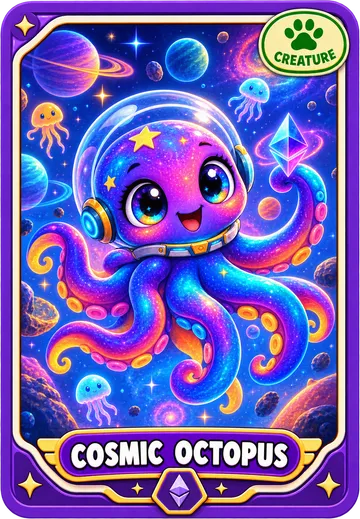
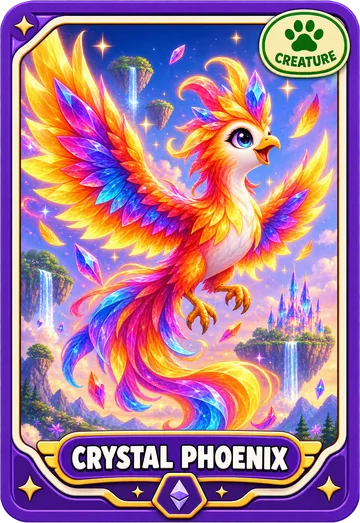
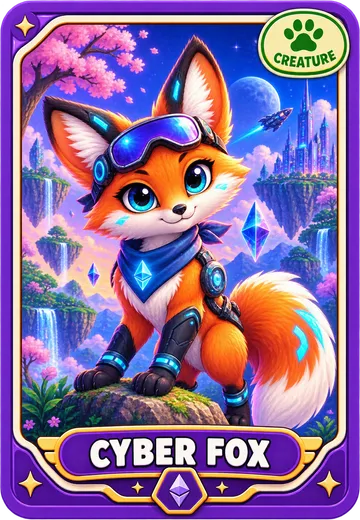
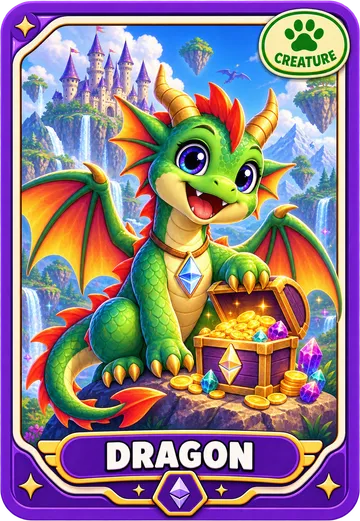
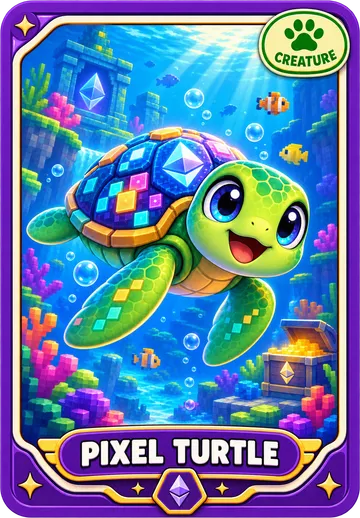
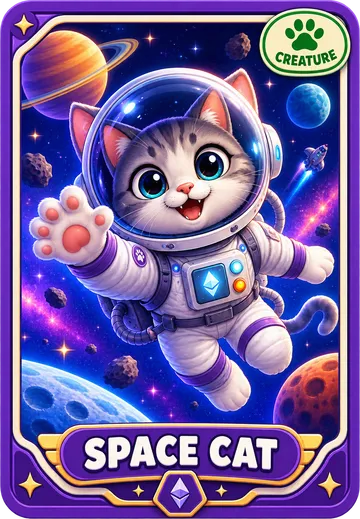
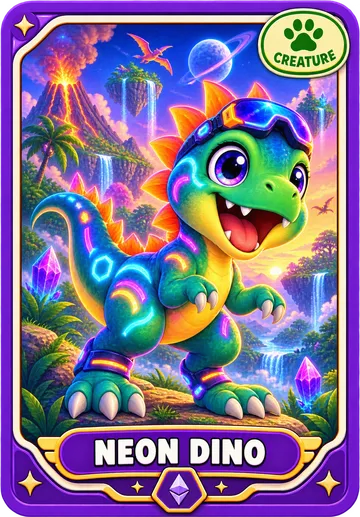
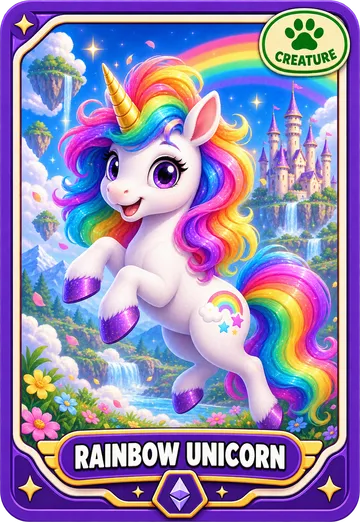
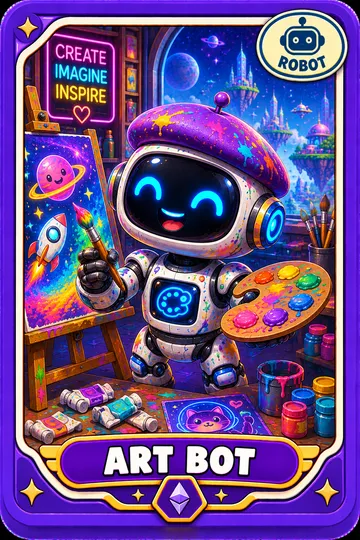
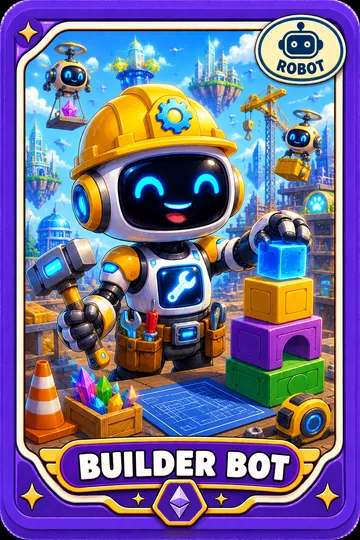
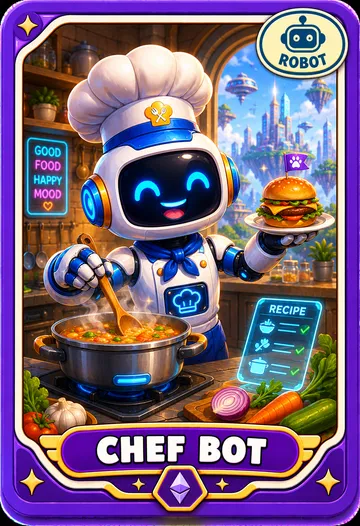
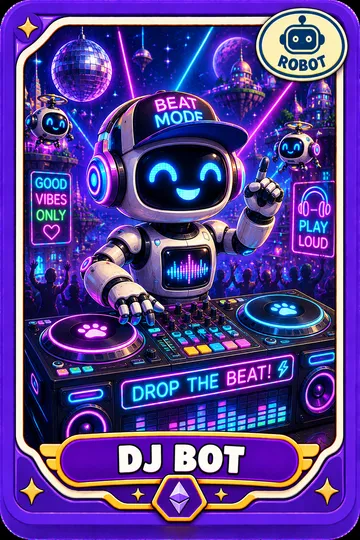
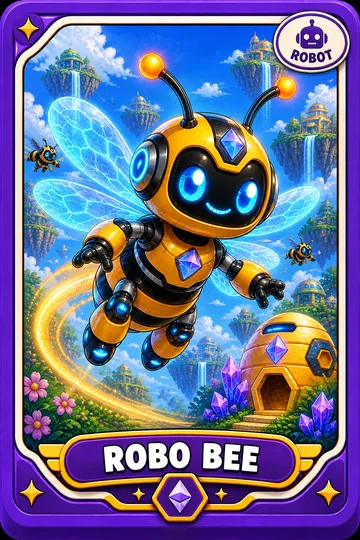
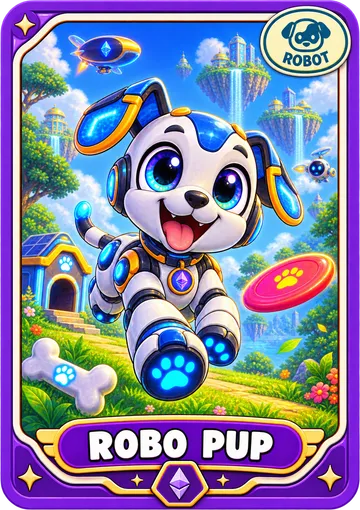
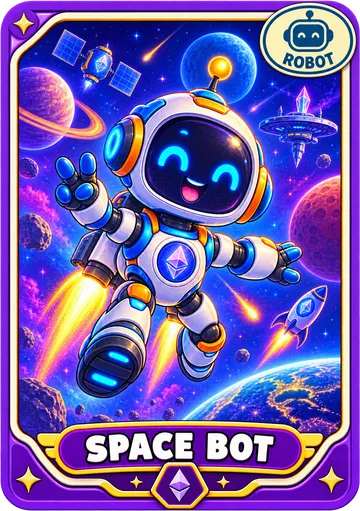
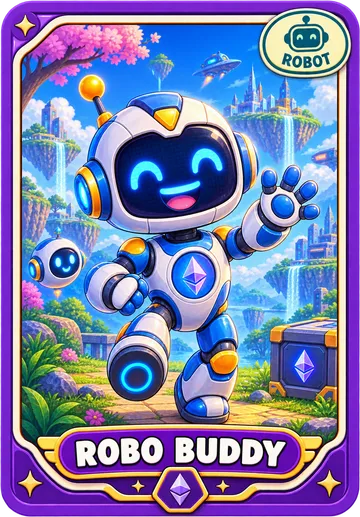
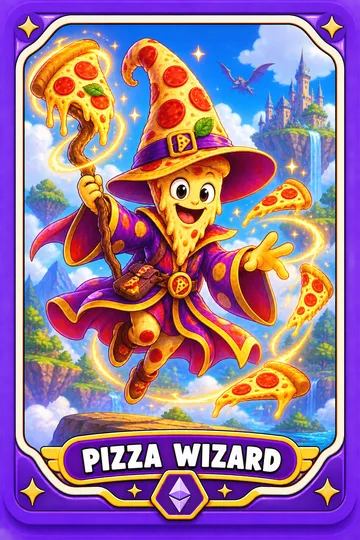
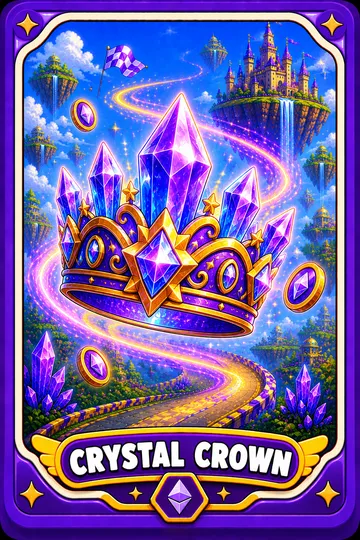
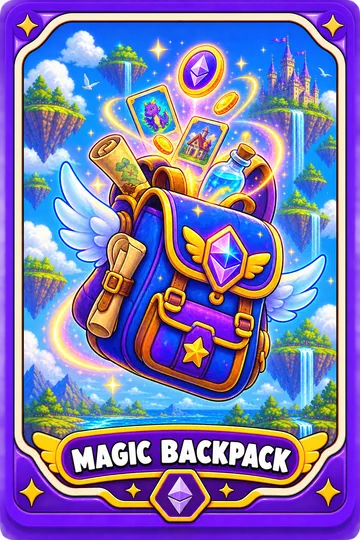
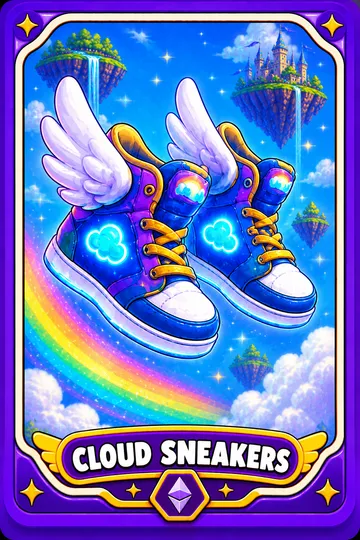
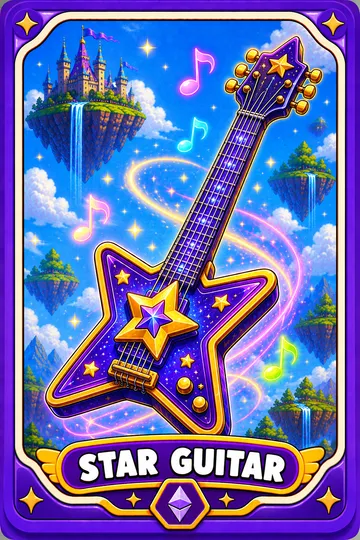
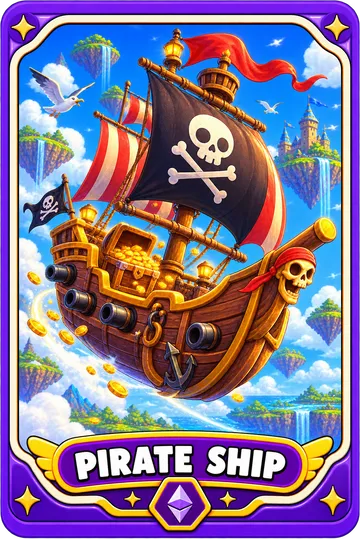
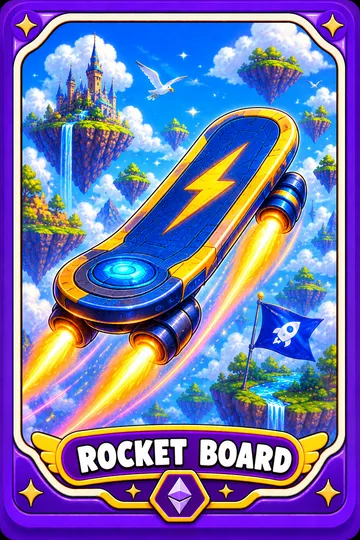
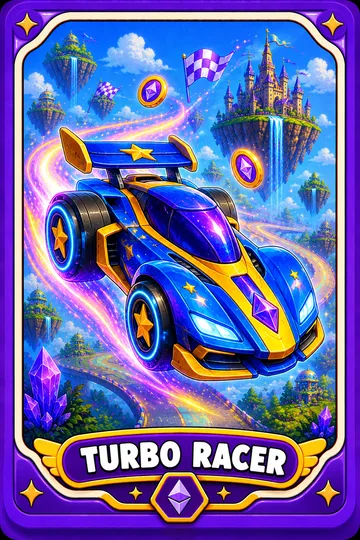
Each App does one job. Build it once and the whole table can use it.
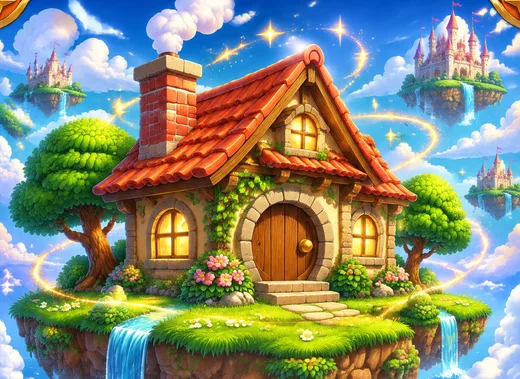
Made for six-year-olds
Every instruction is spoken aloud, and a speaker button says it again. No reading needed to play.
The game shows only what is possible right now and marks the move that helps the quest.
Play alone against friendly robots. They take their turns slowly so children can watch and learn.
Pass one tablet around the table, or play online from different homes with a four-letter room code.
Nothing in the game is real money or real crypto. There is nothing to buy and no wallet to connect.
A game takes about 15 minutes. A game on a shared screen is saved, so dinner can interrupt it.
For parents and teachers
Children play with the same building blocks that run Ethereum. The game never lectures; each idea shows up as something they do with their own hands.
Good to know. ETH Quest is a learning game. It does not use, sell or recommend any cryptocurrency, and nothing in it is financial advice.
| In the game | The real idea |
|---|---|
| Coins | ETH, the money of Ethereum |
| Mint a card | Recording a new thing you own: an NFT |
| Build an App | Deploying a smart contract, a program anyone can use |
| Gas | The small fee paid for every transaction |
| The Chain | Transactions that are pending until they are confirmed |
| The stamp | A block producer confirming a block; after that it cannot be undone |
| My wallet | Where your coins and NFTs live, visible to everyone |
Away from the screen
The whole game as print-and-play files: cards at true size with cut marks, the shared board, player mats, tokens and the rules.
Questions
No. Every instruction is read aloud and the buttons are pictures. A grown-up nearby helps for the first game, mostly to cheer.
No. The coins are pretend. There is nothing to buy in the game and no wallet to connect.
Two to four. One child can play against one to three robots, several children can share one screen, or each player can join from their own device with a room code.
A web browser on a tablet, phone or computer. Nothing to install and no account. For the tabletop version you need a printer and scissors.
A game on a shared screen is saved only in that browser. An online room keeps the first names typed in and the state of the game on the server for one day, then it is deleted.
About 15 minutes with players who know the game; the first one takes longer. It ends when someone has all three stars and the round is finished.